

New refrigeration units
Truck- and van-mounted Thermo King systems purchased for qualifying business use.
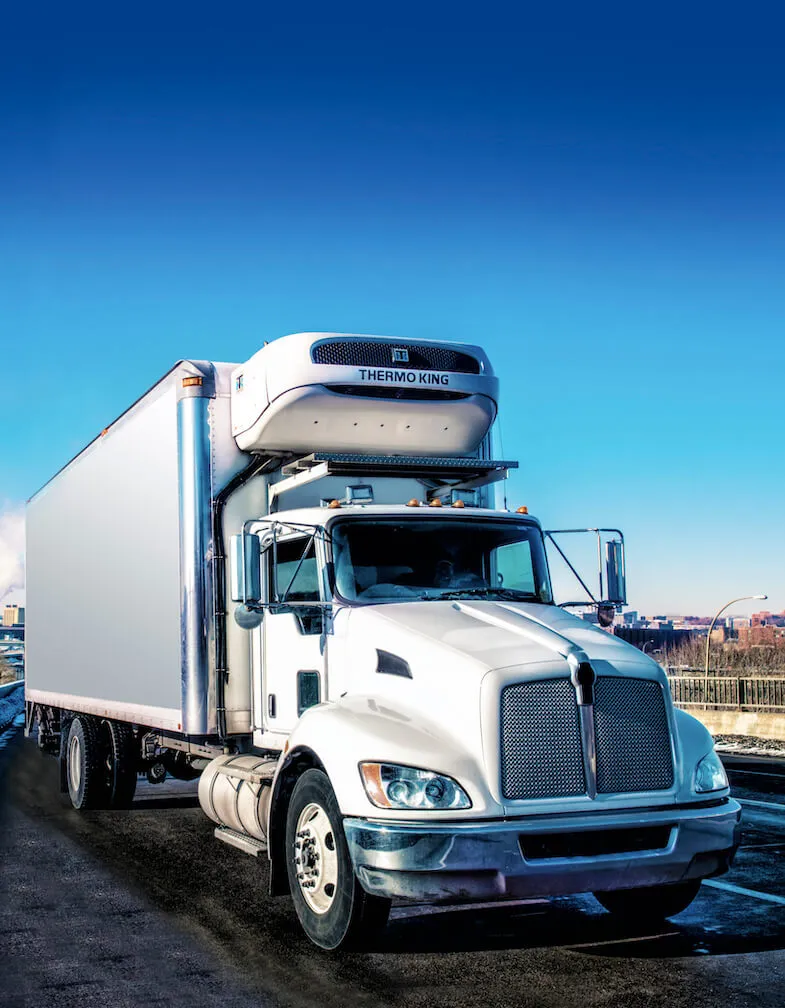
Eligible businesses may be able to deduct some or all of the qualifying cost of a new or qualifying used Thermo King refrigeration unit, replacement unit, or permanent refrigerated vehicle conversion placed in service during 2026.
Section 179 is a federal tax deduction, not a rebate or tax credit. Eligibility and actual tax savings depend on your individual tax circumstances.
Section 179 Estimator
Enter the eligible equipment and installation cost, business-use percentage, estimated federal tax rate, other qualifying purchases, and, optionally, your taxable business income. The calculator shows a preliminary Section 179 deduction, potential bonus depreciation on the remaining basis, and estimated tax savings.
Include the unit plus eligible freight, mounting, controls, wiring, and commissioning costs.
Business use must exceed 50%; the deduction is generally limited to the business-use portion.
Pre-filled at 21%, the corporate rate the flyer example assumes. Most pass-throughs are taxed at individual rates, so use yours. State treatment differs and is covered below. An estimate for illustration only.
Only affects your estimate if your total 2026 equipment purchases exceed $4,090,000. Most customers can leave this blank.
Optional. Section 179 cannot exceed your taxable business income for the year; any disallowed amount generally carries forward. Leave blank to skip this limit.
Preliminary Federal Estimate
Estimated Tax Savings
$0
This estimate is federal only. Most states in our service area do not fully conform to the federal Section 179 and bonus depreciation rules. See "Federal and state are not the same" below. This estimate does not calculate vehicle-specific depreciation limits.
Enter an equipment cost to see your preliminary estimate.
Section 179 cannot exceed your taxable business income for the year. Any disallowed amount generally carries forward.
Calculator results are illustrations only. They do not determine whether a purchase qualifies or account for every vehicle, income, entity, state, or depreciation rule.
Why act before year-end?
To be considered for a 2026 Section 179 deduction, eligible equipment generally must be installed, operational, and ready and available for business use during the customer’s 2026 tax year. A signed order or deposit alone is not enough. Planning early helps allow time for:
Equipment selection and availability
Van or truck conversion work
Installation and commissioning
Temperature testing
Delivery and placement in service
Eligible purchases
This dealer sells and installs Thermo King refrigeration equipment. References to customer-owned trailers concern the refrigeration unit only; complete trailers are not offered for retail sale.
Truck- and van-mounted Thermo King systems purchased for qualifying business use.
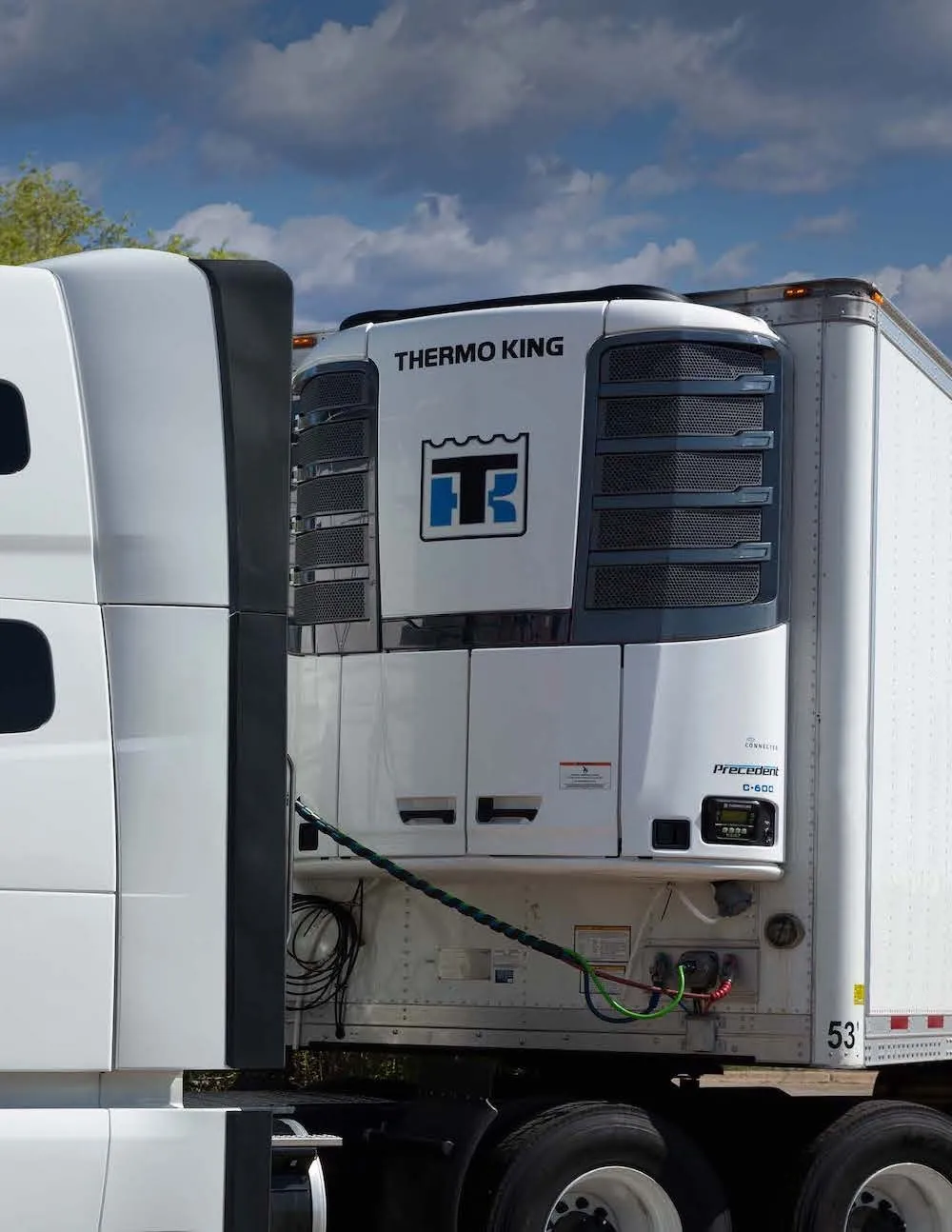
Capital equipment replacing an existing refrigeration unit or materially improving refrigerated capacity.
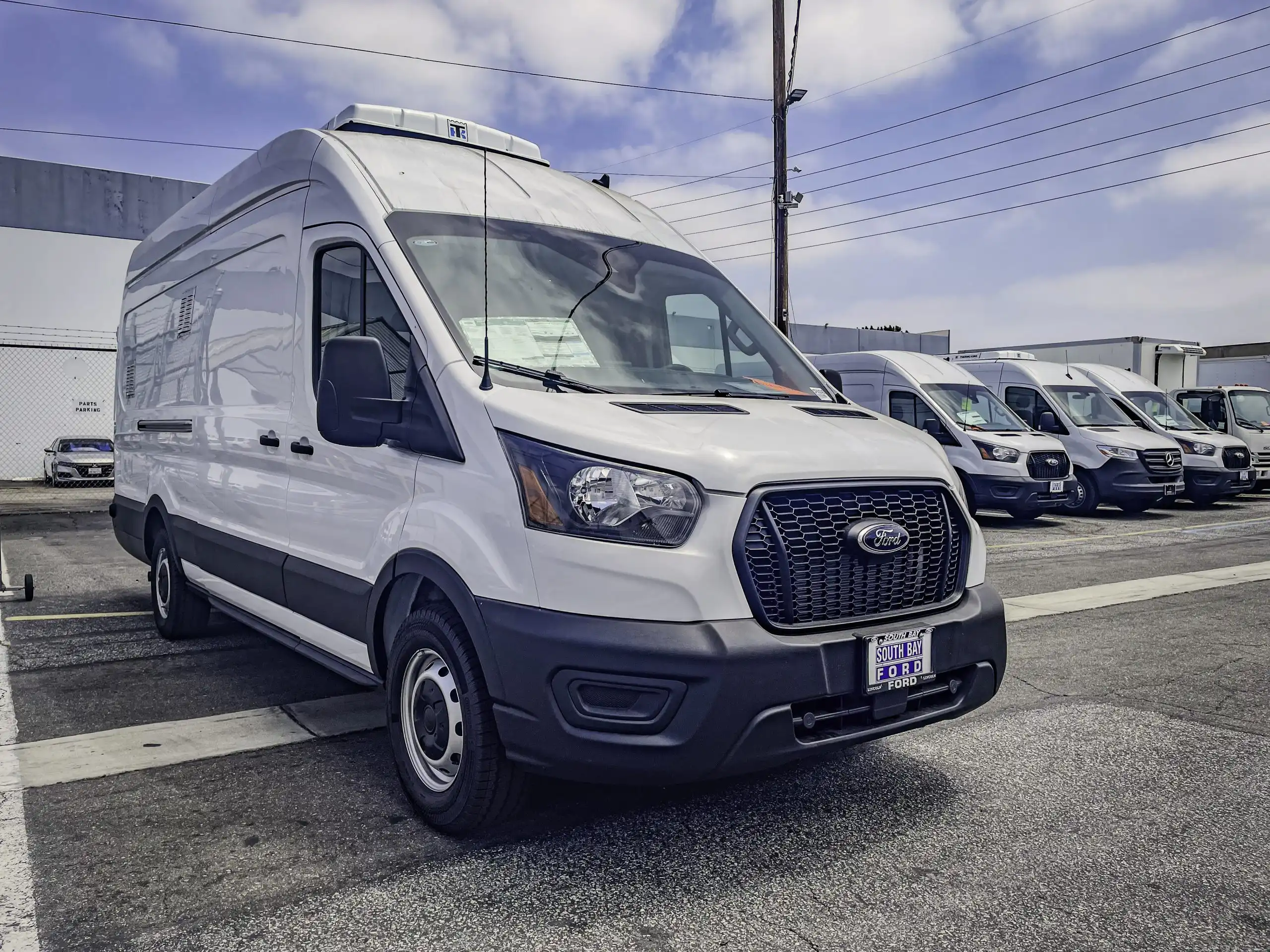
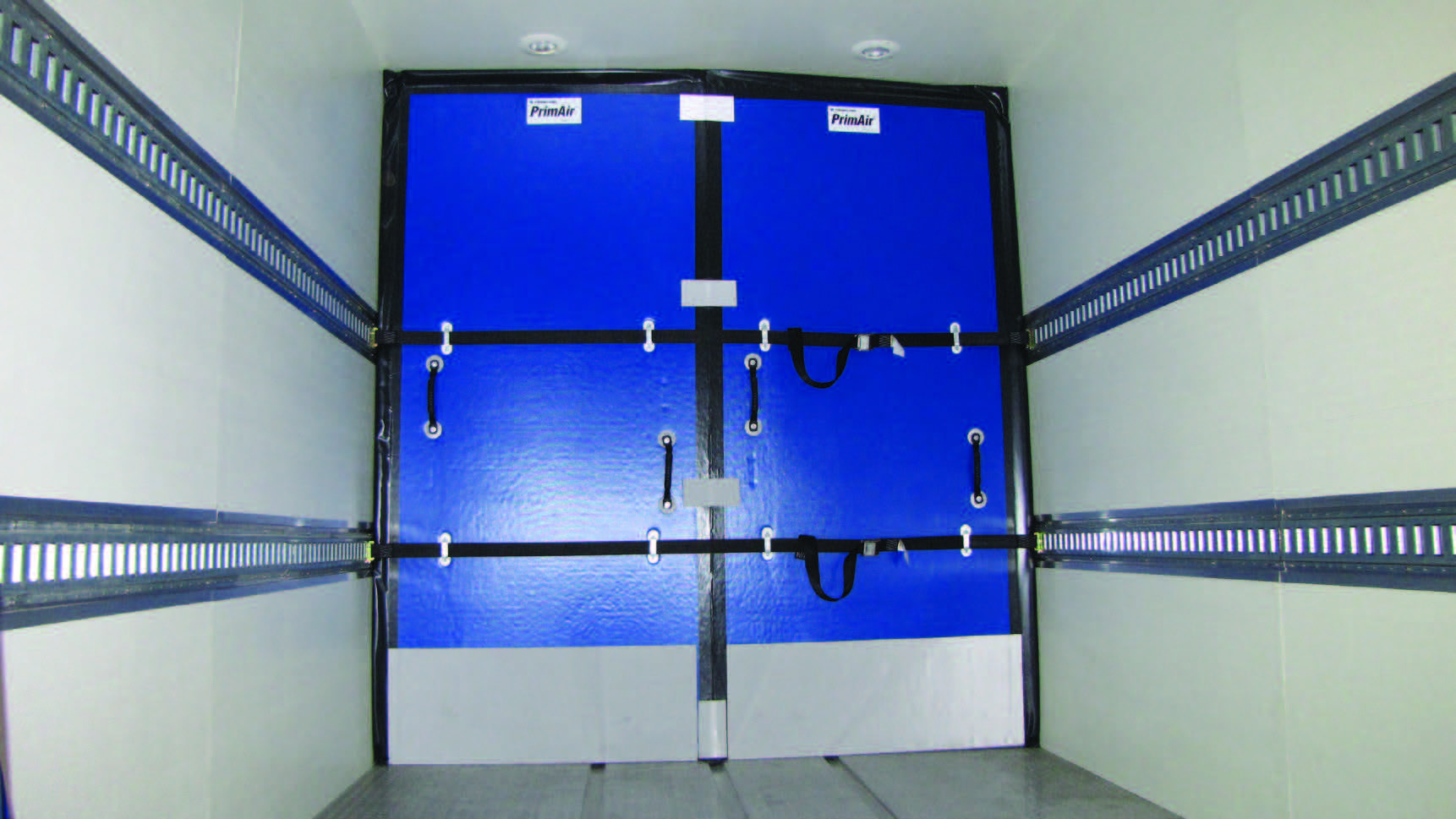
Thermo King equipment plus eligible permanent insulation, bulkheads, mounting, controls, electrical integration, and commissioning.
Used Thermo King units may qualify when purchased in an arm’s-length transaction and new to the taxpayer.
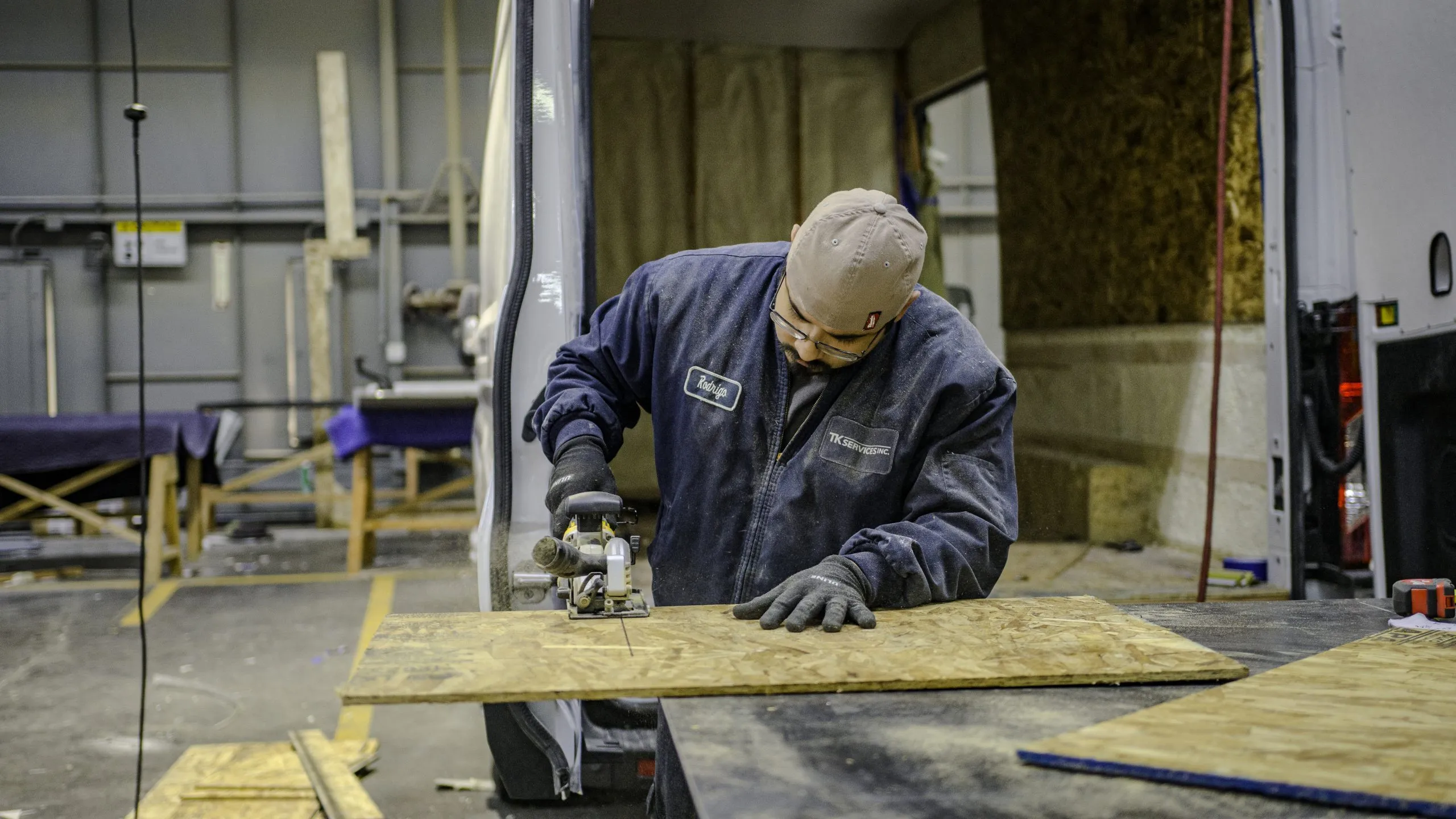
Freight, sales tax, mounting hardware, required wiring, controls, and installation may form part of the eligible depreciable basis.
2026 federal figures
These limits apply to the taxpayer’s total qualifying property placed in service during the year, not only Thermo King purchases.
Maximum federal Section 179 deduction
$2,560,000
Federal figure. State treatment differs materially, including in California, where the state cap is $25,000.
Phaseout begins above total qualifying purchases of
$4,090,000
Deduction fully phased out at
$6,650,000
Section 179 limit for certain heavy passenger-oriented vehicles
$32,000
Bonus depreciation
Section 179 is subject to annual limits, phaseout, and taxable business income. Qualifying property acquired and placed in service after January 19, 2025, may be eligible for 100% bonus depreciation on the remaining basis. The customer’s tax adviser will determine eligibility.
State treatment
The figures on this page are federal. Most states in our service area do not fully conform to the federal Section 179 and bonus depreciation rules.
Nevada does not impose an individual or corporate income tax, so there is generally no comparable state income-tax deduction.
New York generally allows Section 179, subject to state limits and a disallowance for certain sport utility vehicles, but does not allow federal bonus depreciation.
Connecticut requires most of both the Section 179 deduction and bonus depreciation to be added back in the first year and recovered over the four following years.
California and New Jersey limit Section 179 to amounts far below the federal figure and do not allow federal bonus depreciation.
In these states the deduction is generally not lost. It is recovered over later years on the state return instead of taken in the first year. Your tax adviser will calculate your state position.
Refrigerated van conversions
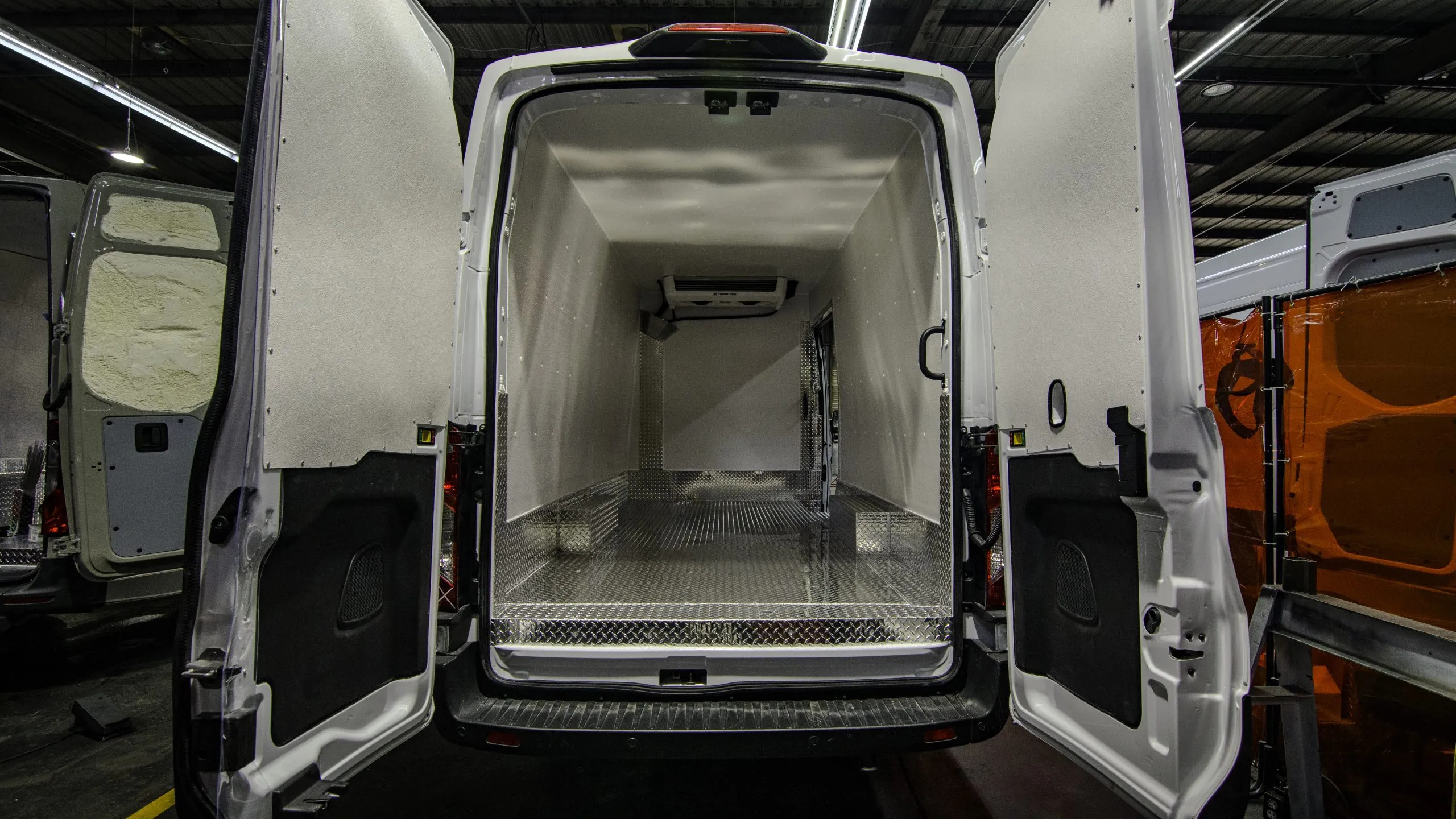
A permanent refrigerated conversion can help establish that a van is dedicated commercial equipment. Van weight, seating, cargo-area dimensions, permanent modifications, and actual business use can affect vehicle deduction limits. Customers should have their tax adviser classify the completed vehicle. Some completed configurations, such as a van with a fully enclosed driver compartment, no seating behind the driver, and a separate cargo area, may fall outside the passenger-vehicle limit entirely. Your tax adviser classifies the finished vehicle. Relevant features can include:
Permanent insulation
A refrigerated cargo enclosure
Fixed Thermo King equipment
A bulkhead
Removal of rear seating
A configuration that makes personal use unlikely
Financing
When a transaction is a genuine purchase and the customer is the tax owner, financing generally does not prevent Section 179 eligibility. The potential deduction may be based on qualifying equipment and installation costs rather than only the year’s down payment or loan payments.
Tax ownership depends on the actual agreement.
A true lease is treated differently, and the lessee generally does not claim depreciation on equipment it does not own.
Four steps
Select the Thermo King unit, replacement, or conversion appropriate for the operation.
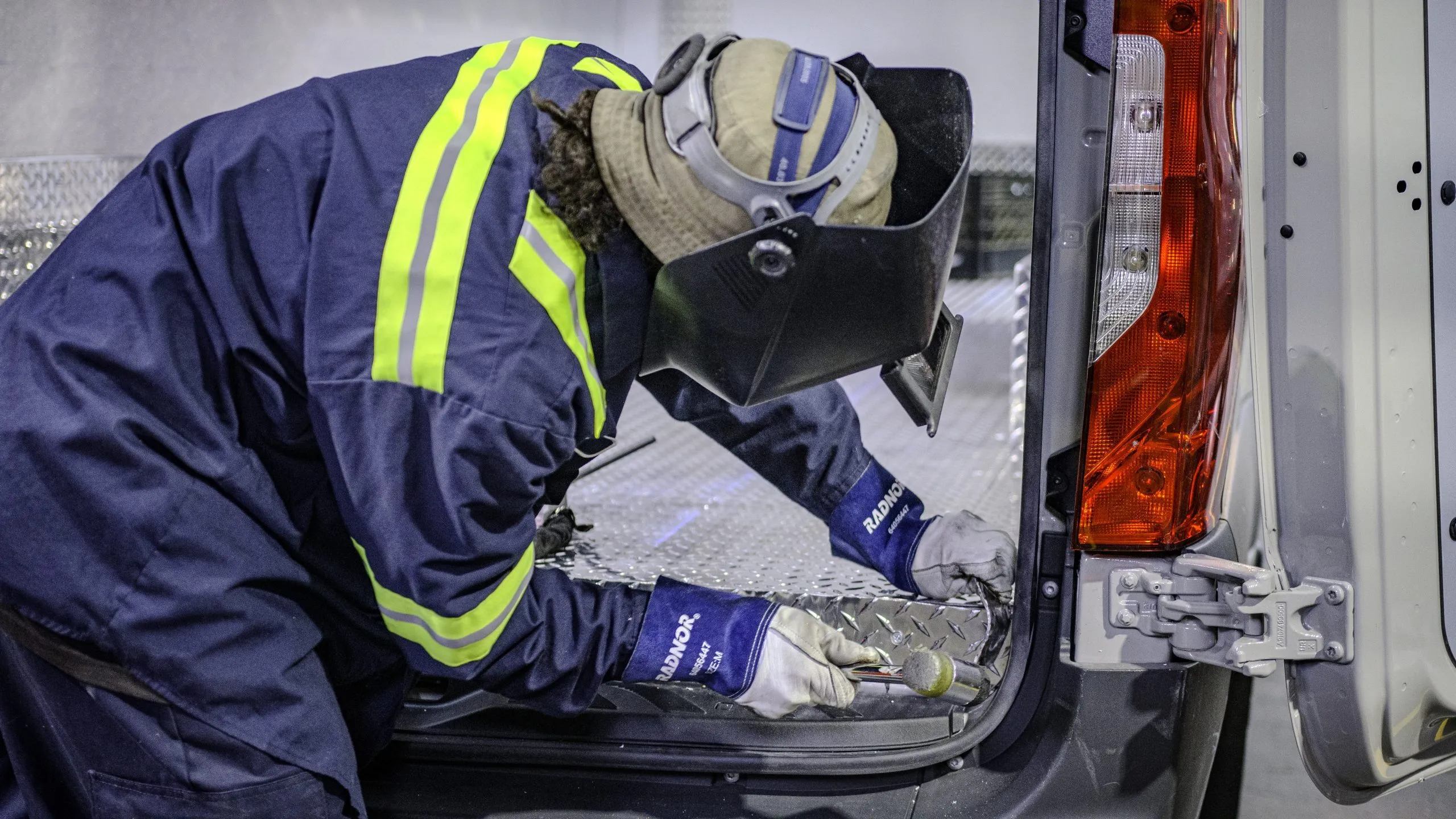
Identify the vehicle, permanent conversion work, installation requirements, and expected completion date.
Complete installation, commissioning, and readiness for business use within the tax year.
Retain the itemized invoice, model and serial number, GVWR documentation when applicable, installation date, and proof of business use.
Sonsray Fleet Services
Thermo King sales, installation, conversions, parts, and service across the West Coast and the Northeast.
Before year-end
Talk with our Thermo King team about unit selection, replacement options, permanent refrigerated conversions, installation timing, and the records you may need for your tax adviser.
Request a quote
Tell us what you are considering and a Sonsray specialist will follow up on unit selection, replacement options, permanent refrigerated conversions, installation timing, and the records you may need for your tax adviser.
2026 Section 179
2026 federal Section 179 maximum: $2,560,000
Section 179 is a federal tax deduction, not a rebate or tax credit. Eligibility and actual tax savings depend on your individual tax circumstances.